In the summer of 2021 Ollie was working in Croatia as a herpetologist for Operation Wallacea. He was running baseline surveys for reptiles and amphibians in the Krka national park. One night he joined the bat team who were becoming increasingly frustrated with low capture rates in the mist nets around the edges of a large pond on the outskirts of Kistanje. This was made worse by the continuous swirls of bats flying over the water to hunt insects and take a drink.
With a handful of caving equipment, some accessory cord and luckily enough 8mm rope to span one side of the pond, Ollie cobbled together a horizontal tension line and a method of suspending a mist net over the water.
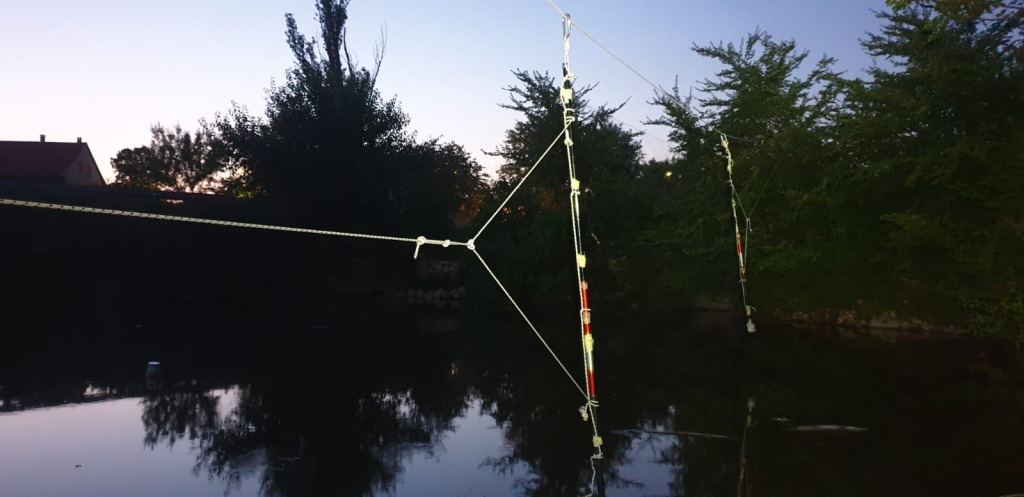
The design allowed the net to be moved laterally, so it can be pulled out to location on the water, where it could then be tensioned to allow trapping. The bats would fly into the mist net and be captured before the net was pulled back to the shore where they were safely extracted, measured, and had their parasites removed for an ongoing research project.

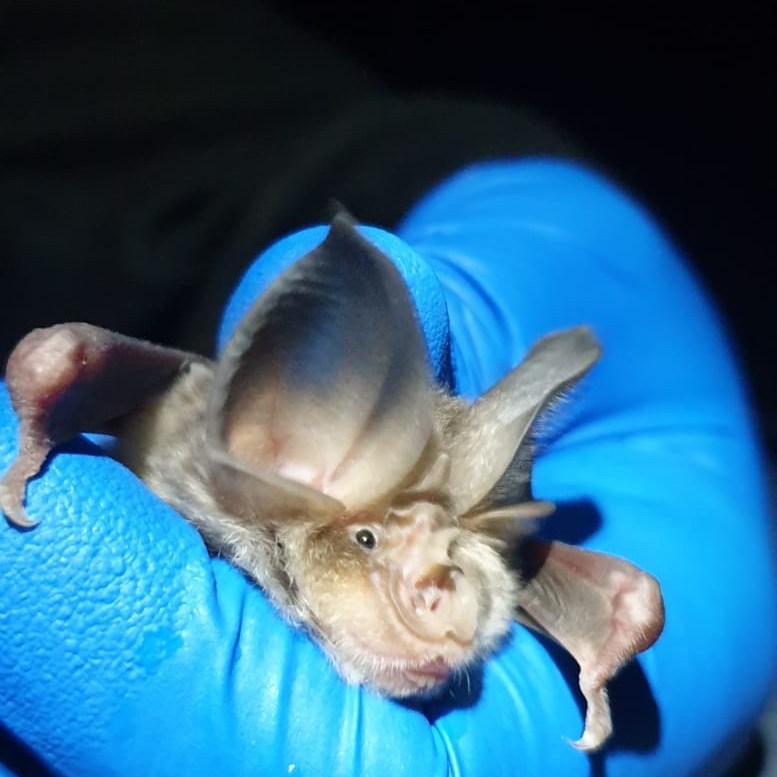

The method was extremely effective and massively increased the capture rate for the bat team. It was then decided that this should be written up as a methods paper as other methods for sampling over water in the literature seemed to be quite cumbersome or expensive to implement. The paper was published in the Journal of Bat Research & Conservation later that year.
Read the publication here:
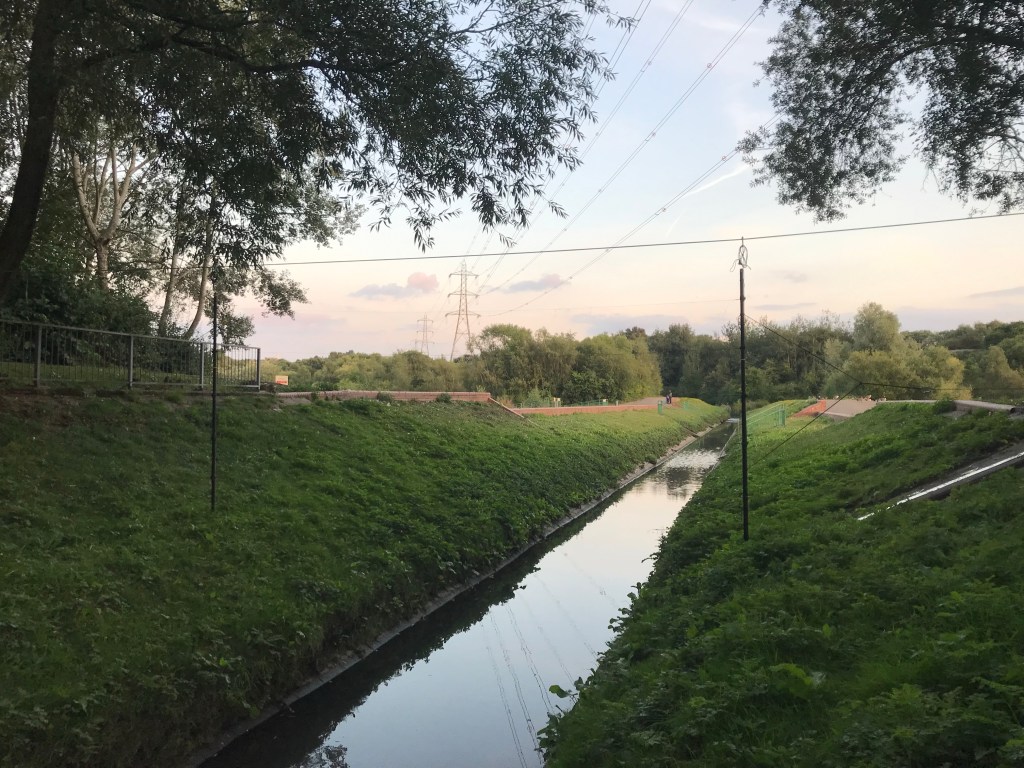
Further testing of the system back in the UK has been promising. We have even looked into adapting it for sampling in the canopy. The skynet would also work well for anyone interested in sampling riparian species of birds too, such as Dippers, for example. Below is a skynet set up over a canal in Birmingham as part of a demonstration to the members of Brum Bats with Morgan Hughes, the lead author on the paper and one half of the 2021 Croatia bat team.
Project partners:
 Ropey Science