Cabo Espichel in the Arrábida Natural Park, SW Portugal is home to huge limestone cliffs, some impressive cave systems and unique biodiversity. Two species of plant are endemic to this peninsula, that is to say they exist here and nowhere else on Earth. These species are Euphorbia pedroi and Convulvulus fernandesii.
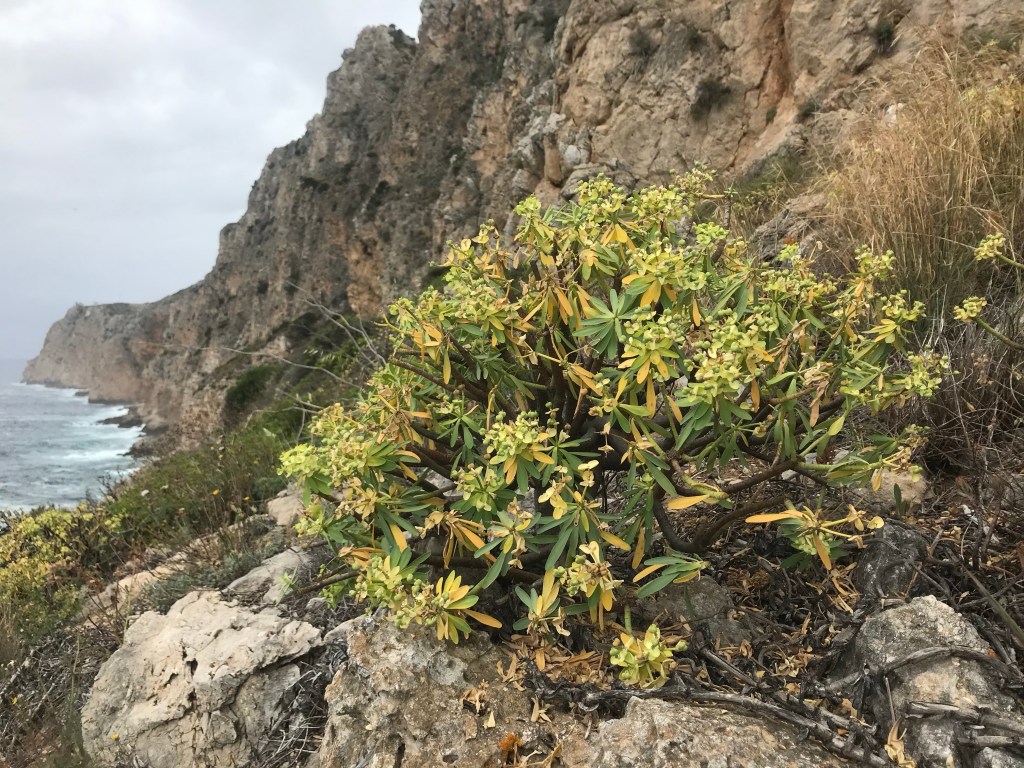
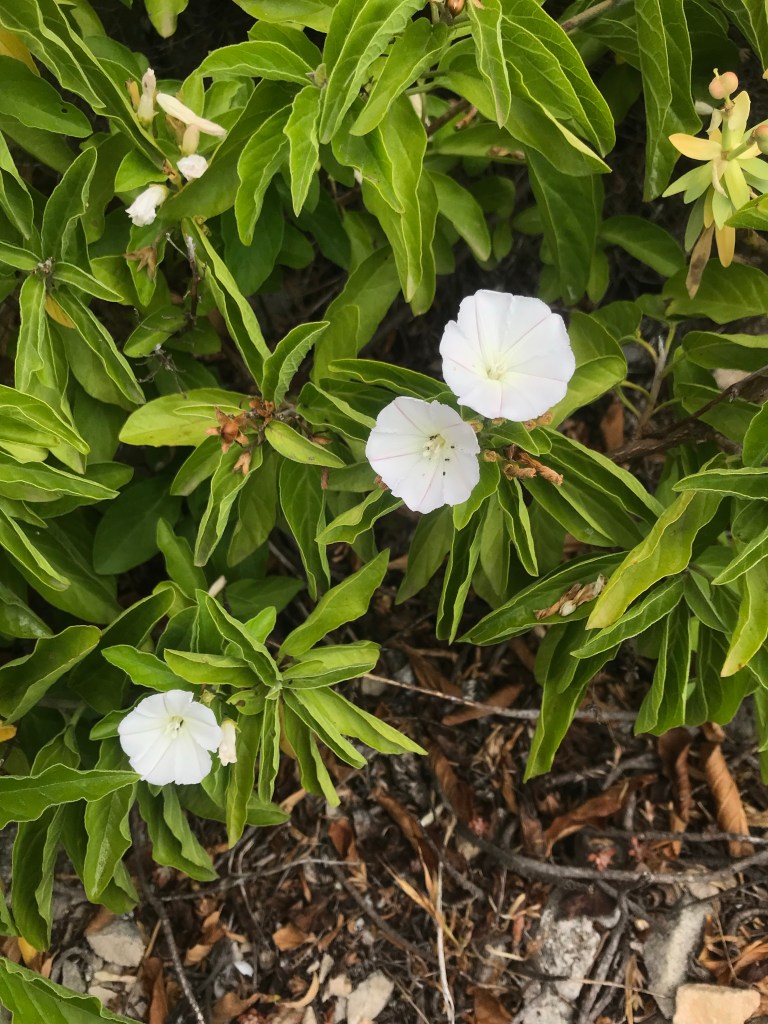
Tiago de Zoeten, Mossy Earth conservation biologist, has been working to save these rare endemics on this coastline from a South African invasive plant, the iceplant (Carpobrous edulis). This plant forms large carpets that smother the native plants and outcompete them for resources, leading to their decline.
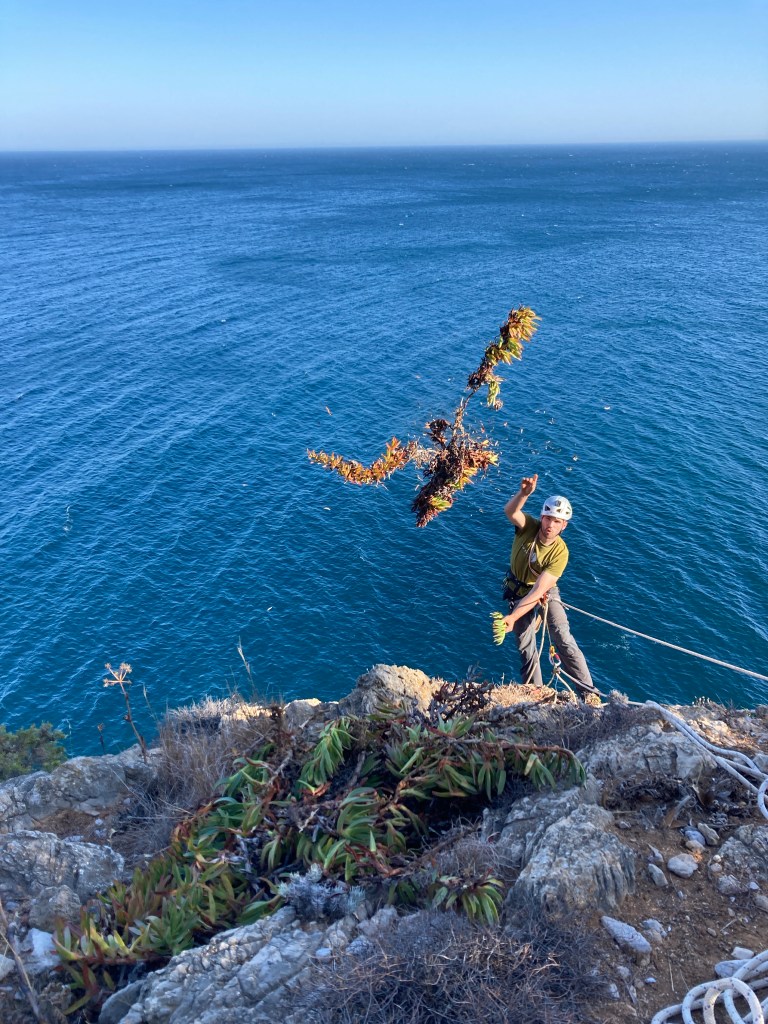
Research has shown that manual removal of these plants can be an effective method of control and can improve biodiversity, as long as the plants are removed from the site and destroyed to prevent regrowth. Tiago and volunteers had already removed large swathes of the iceplant prior to enlisting the help of Ropey Science to help remove the mats in more difficult to access areas.
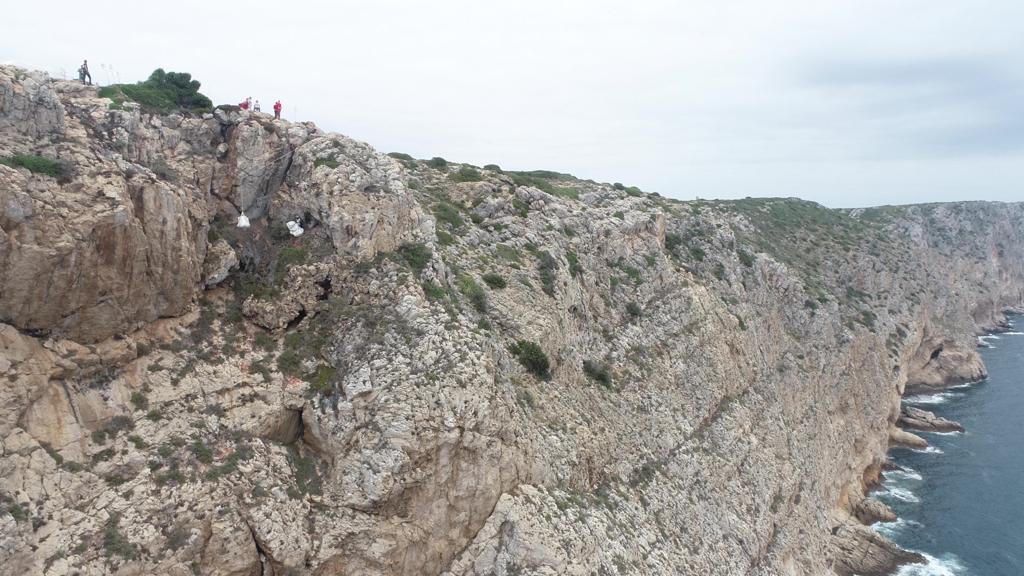
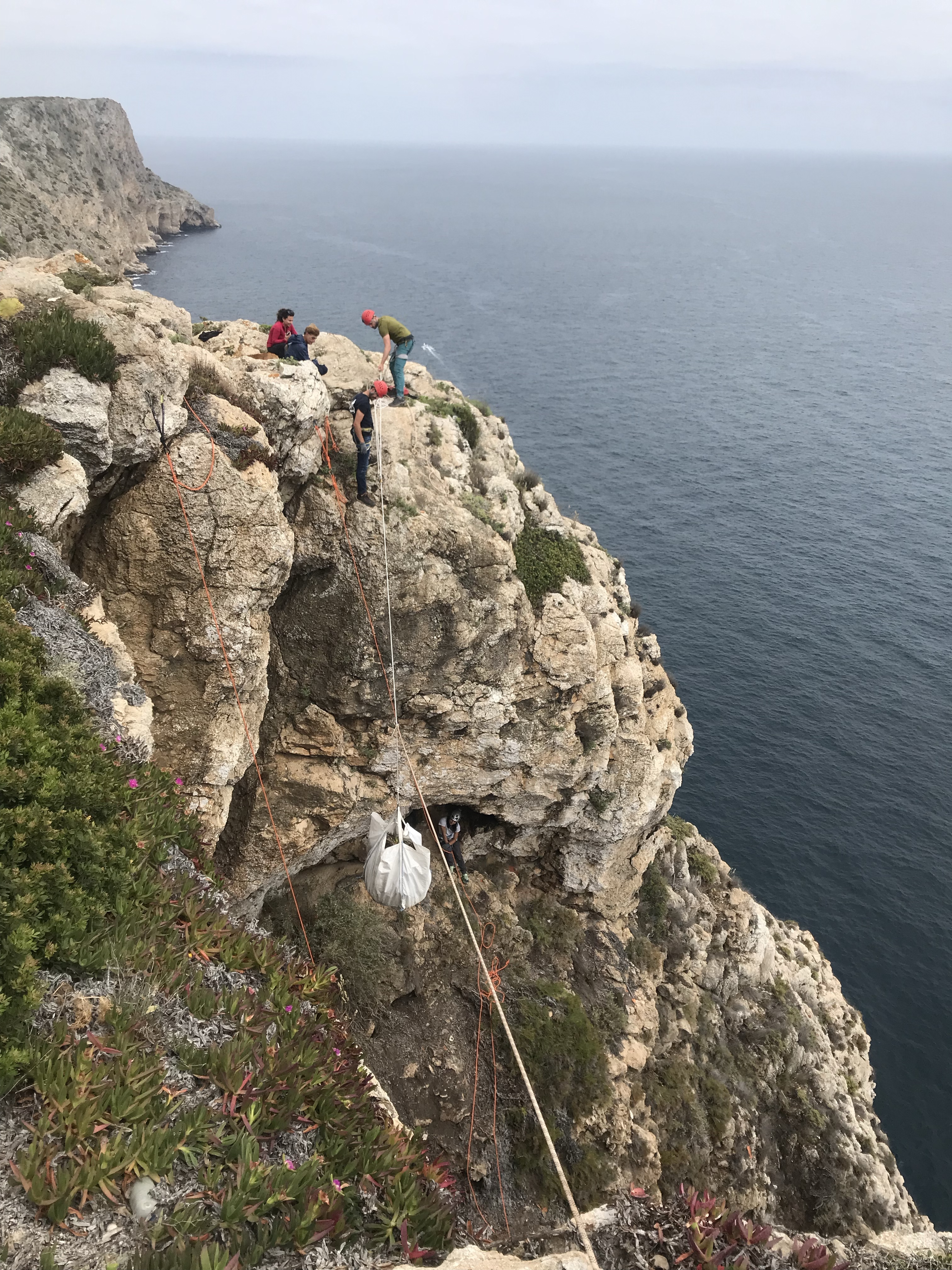
With a strong team of volunteers from the local climbing community, and rigging and safety from us at Ropey Science , we have so far been able to completely clear ~800m of this delicate coastline. The endemic plants seem to be bouncing back and we’re keeping track of this through drone mapping. More information about the project can be found at the Mossy Earth video on YouTube and a Vlog style behind the scenes video here.
For a shorter watch, Tiago was also contacted by BBC Earth to be the star of one episode of the online mini-series, Generation Green, for his work with the plants. Watch the episode at this link
Project partners:

 Ropey Science